School Readiness
Programs that build classroom routines, transitions, independence, and peer engagement skills.
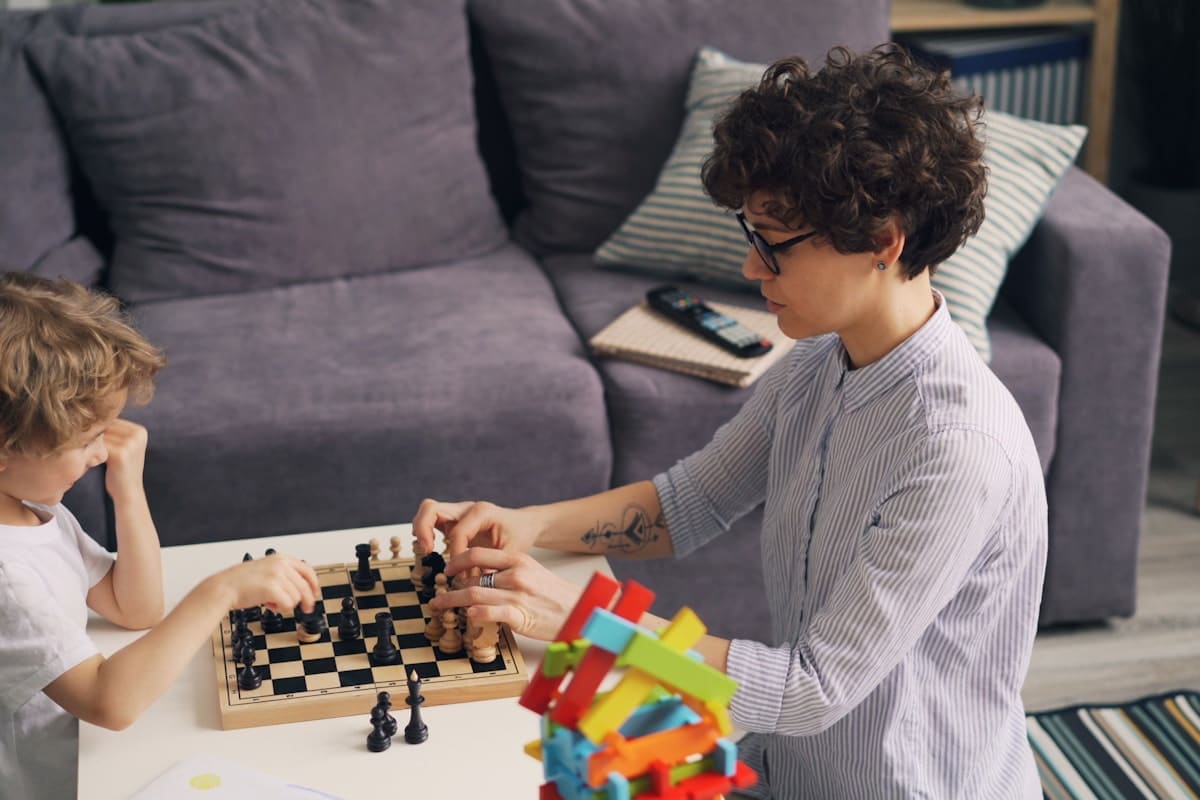
Our School Readiness Program helps children build key classroom skills.
We teach attention, communication, routines, and independence for daycare, kindergarten, and early school years.
The goal is a smoother transition into school and more confidence in daily classroom activities.
Key Skills We Focus On
School readiness therapy targets practical classroom skills that support learning and participation. These may include:
- Following instructions from teachers
- Participating in group activities
- Sitting and attending during lessons
- Transitioning between classroom activities
- Raising hands and waiting for turns
- Communicating needs appropriately
- Completing basic tasks independently
By practicing these skills in structured sessions, children gain confidence and develop the behaviors needed for classroom success.
School Readiness Workflow
Our structured approach ensures that children develop school-ready skills gradually and effectively.
1. Initial Assessment
We evaluate the child's development level, communication, attention span, and social skills.
2. Individualized Program Development
A personalized school readiness plan is created and supervised by a RBA.
3. Skill Building Sessions
Therapy sessions are implemented by trained RBA Therapists, focusing on classroom behaviors and independence.
4. Practice of Classroom Routines
Children learn routines such as circle time participation, transitions between activities, and structured learning tasks.
5. Progress Monitoring and Adjustment
Therapists collect session data and regularly update goals based on the child's development.
Session Format
School readiness sessions are designed to simulate real classroom experiences. A typical session may include:
- Greeting routines and structured transitions
- Circle-time style activities
- Listening and following instructions
- Table-based learning tasks
- Social play and peer interaction practice
- Independent work tasks
- Reinforcement and skill review
Activities are structured but engaging to keep children motivated and comfortable while learning.
Where Sessions Take Place
Sessions may take place in:
- The child’s home
- A therapy setting
- Community environments
- School or daycare settings when appropriate
Recommended Age Ranges
School readiness programs are most beneficial during early developmental stages when children are preparing to enter formal education. Typical age groups include:
- Preschool (3–4 years) – Focus on play skills, basic instructions, and early communication.
- Pre-Kindergarten (4–5 years) – Development of attention, group participation, and classroom routines.
- Early Elementary (5–7 years) – Support for children who need additional help adapting to structured school environments.
Programs are adjusted to match each child’s developmental stage and learning needs.
Measurable Outcomes
Our school readiness programs focus on measurable improvements that support classroom success. Children may develop:
- Improved attention and listening skills
- Ability to follow classroom routines
- Stronger peer interaction and social engagement
- Greater independence in completing tasks
- Reduced disruptive or avoidance behaviors
- Improved participation in group activities
Progress is tracked using data collected during every session, ensuring therapy remains evidence-based and goal-oriented.
Frequently Asked Questions
When should a child start a school readiness program?+
Many children benefit from starting 6-12 months before entering kindergarten or daycare.
Can this program help children who struggle in school already?+
Yes. School readiness therapy can support children who need help adapting to classroom routines or social expectations.
How long does the program last?+
Program length varies depending on the child's goals and developmental needs. Many children participate for several months leading up to school entry.
Will parents receive guidance on supporting school preparation at home?+
Yes. Parents receive regular updates, strategies, and coaching to reinforce school-ready behaviors at home.
Need Help Choosing the Right Support?
Every child is unique, and selecting the right services can feel overwhelming. Book a free consultation to build a personalized care plan with our intake team.