1:1 Therapy Sessions
Structured, child-centered sessions focused on measurable outcomes and meaningful daily progress.
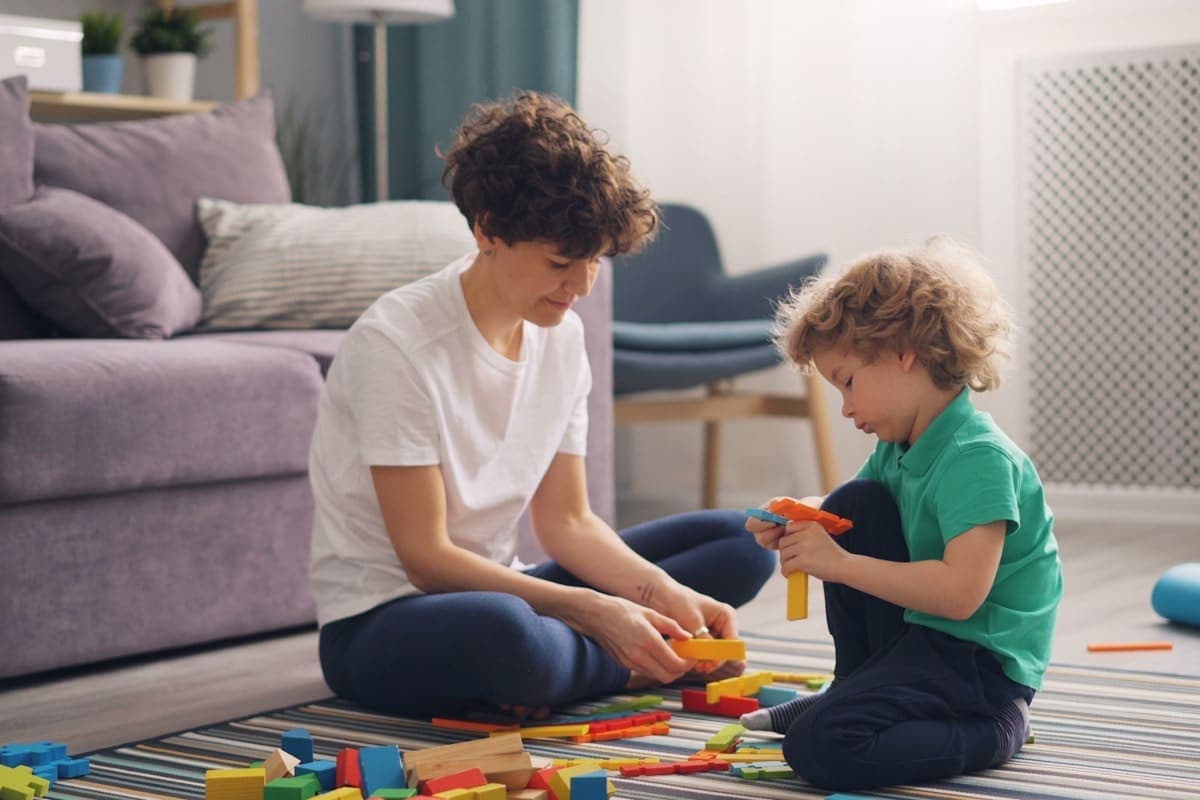
What Happens During a 1:1 Therapy Session
Each session follows a simple structure so learning stays focused and engaging:
- Skill-building activities designed around individualized treatment goals
- Play-based learning to encourage communication and social interaction
- Behavior support strategies to help manage challenging behaviors
- Daily living skill practice such as following routines or independent tasks
- Data collection to track progress and adjust therapy strategies
Therapists adjust activities in real time based on response and motivation.
1:1 Therapy Workflow
Our workflow keeps therapy consistent and goal-focused.
1. Initial Assessment and Goal Setting
A clinical assessment identifies the child’s strengths, developmental needs, and therapy goals.
2. Individualized Treatment Plan
A customized therapy plan is created and supervised by a RBA.
3. Therapy Implementation
Sessions are conducted by trained RBA Therapists who follow the structured treatment plan.
4. Ongoing Supervision and Coaching
Supervising clinicians review session data, observe therapy sessions, and provide guidance to ensure quality care.
5. Regular Progress Reviews
Treatment goals are reviewed periodically and updated as the child develops new skills.
Session Format
Our 1:1 sessions are structured and engaging. A typical session may include:
- Warm-up activities and rapport building
- Targeted skill teaching programs
- Play-based learning activities
- Behavioral support strategies
- Breaks and reinforcement activities
- End-of-session progress review
Where Sessions Take Place
Sessions may take place in:
- The child’s home
- School or daycare settings
- Community environments
- Natural environments that support daily routines
Natural settings help children use skills in daily life.
Recommended Age Ranges
1:1 ABA therapy can support children at many developmental stages. Common age groups include:
- Early Learners (2–5 years) – Focus on early communication, play skills, and foundational learning behaviors.
- School-Age Children (6–12 years) – Development of social skills, academic readiness, and behavior regulation.
- Adolescents (13–18 years) – Support for independence, emotional regulation, and daily living skills.
We tailor intensity and goals to each child's stage.
Measurable Outcomes
Our therapy programs focus on meaningful and measurable improvements, including:
- Increased communication and language skills
- Improved social interaction and play skills
- Reduced challenging behaviors
- Increased independence in daily activities
- Improved attention and learning readiness
We collect data every session and adjust strategies as needed.
Frequently Asked Questions
How long are 1:1 therapy sessions?+
Sessions typically last 2-4 hours, depending on the child's treatment plan and attention span.
How many sessions per week are recommended?+
The number of sessions varies based on individual needs, but many children benefit from multiple sessions per week.
Will my child enjoy the sessions?+
Yes. Therapy sessions incorporate play, games, and motivating activities to keep children engaged while learning.
How is progress measured?+
Therapists collect data during every session, allowing the clinical team to track improvements and make informed adjustments to the treatment plan.
Need Help Choosing the Right Support?
Every child is unique, and selecting the right services can feel overwhelming. Book a free consultation to build a personalized care plan with our intake team.