Behavior Assessment
Initial and ongoing ABA assessments to understand communication, social, and daily living needs.
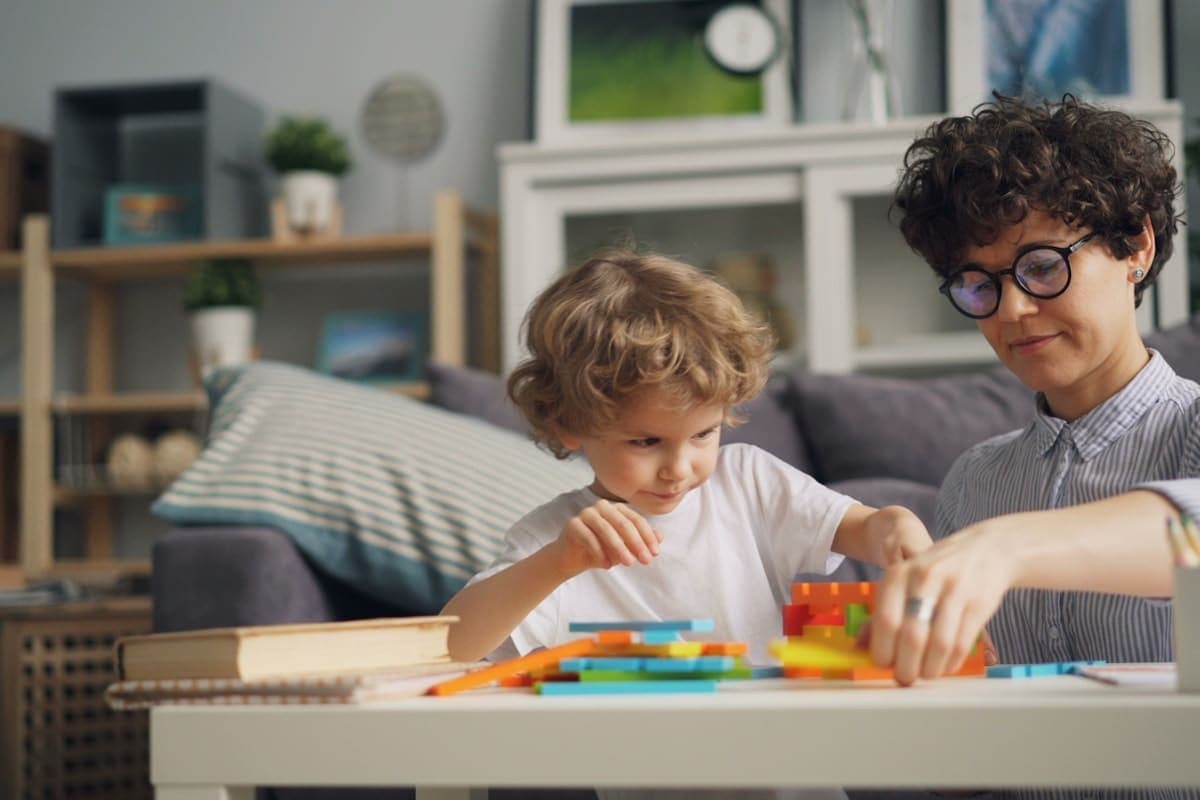
Behavior Assessment is the first step in ABA therapy. Before treatment starts, we look at your child's strengths, communication, social skills, learning style, and daily routines.
Each session follows a simple structure so learning stays focused and engaging:
Assessment is ongoing. As your child learns new skills, we review progress and update goals so support stays useful.
What Happens During a Behavior Assessment
We follow clear steps to understand your child's needs:
1. Parent & Caregiver Interview
We talk with caregivers about your child's history, strengths, routines, and therapy goals.
2. Direct Observation
A clinician observes your child at home or school to see how they communicate, play, and respond to daily tasks.
3. Skill-Based Assessments
Standardized ABA assessment tools may be used to measure areas such as:
- Communication and language skills
- Social interaction and play skills
- Learning and attention abilities
- Daily living and independence skills
- Behavioral patterns and triggers
4. Functional Behavior Assessment (FBA)
If challenging behavior appears, we identify triggers and patterns. Then we create a plan that teaches safer, helpful behavior.
5. Personalized Treatment Plan
After assessment, our team creates a clear plan with goals, teaching strategies, and suggested service hours.
Assessment-to-Therapy Workflow
Our ABA process is simple and collaborative:
- Initial Intake Consultation
- Comprehensive Behavior Assessment
- Individualized Treatment Plan Development
- Therapy Sessions with RBA Therapists
- Ongoing Supervision by a Registered Behaviour Analyst (RBA)
- Regular Progress Reviews and Plan Adjustments
Parents stay involved so new skills carry over to home and daily life.
Session Format
Assessment sessions usually include:
- One-on-one interaction between the child and clinician
- Structured play and learning activities
- Observation of communication and behavior patterns
- Parent discussion and feedback
We keep sessions calm, supportive, and child-friendly.
Recommended Age Ranges
ABA behavior assessments can benefit children across many developmental stages. Early identification and support can be particularly impactful. We commonly assess children in the following age groups:
- Early Childhood (2–5 years) – Early communication, play, and developmental milestones
- School Age (6–12 years) – Social skills, learning behavior, and independence
- Adolescents (13–18 years) – Functional skills, emotional regulation, and daily living skills
However, ABA assessments can be helpful at any age when behavioral or developmental support is needed.
Measurable Outcomes
Our assessment and therapy programs focus on measurable progress such as:
- Improved communication and language skills
- Increased social engagement and play skills
- Reduction of challenging behaviors
- Greater independence in daily activities
- Improved attention and learning readiness
Progress is tracked using data collected during every session, ensuring therapy remains evidence-based and goal-focused.
Frequently Asked Questions
How long does a behavior assessment take?+
Assessments typically take 4-8 hours total, which may be completed across multiple sessions depending on the child's needs.
Will parents be involved in the assessment?+
Yes. Parent input is essential. Caregivers participate in interviews and discussions to help us understand the child's daily routines and goals.
Do I need a diagnosis before an ABA assessment?+
No. You do not need a formal diagnosis to start ABA services.
What happens after the assessment?+
You will receive a detailed report and treatment recommendations, and our team will guide you through the next steps for therapy services.
Need Help Choosing the Right Support?
Every child is unique, and selecting the right services can feel overwhelming. Book a free consultation to build a personalized care plan with our intake team.