Social Skills
Guided practice for sharing, turn-taking, group participation, and friendship building.
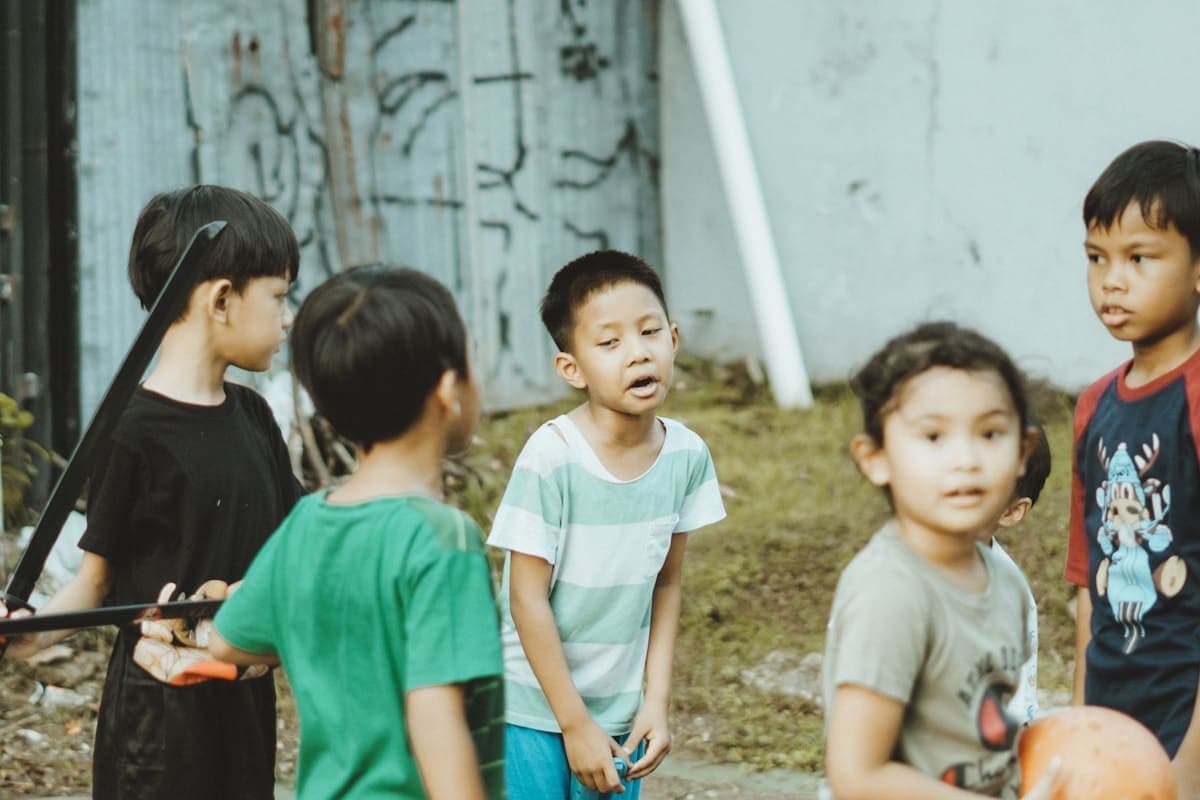
Social interaction is a key part of child development. Our Social Skills Program helps children build friendships, join group activities, and interact with more confidence.
Using structured ABA teaching and guided practice, children learn sharing, turn-taking, conversation skills, and social cues.
The goal is better peer interaction and greater comfort in school, playground, and community settings.
Key Social Skills We Focus On
Our program targets practical skills that children use during everyday interactions with peers and adults. Common focus areas include:
- Sharing toys and materials
- Taking turns during games and activities
- Participating in group play and classroom activities
- Initiating and maintaining conversations
- Understanding personal space and social boundaries
- Recognizing emotions and responding appropriately
- Building and maintaining friendships
These skills are taught through structured learning activities and real-life practice opportunities.
Social Skills Eligibility Criteria
Children may benefit from social skills therapy if they:
- Have difficulty making or maintaining friendships
- Prefer to play alone rather than with peers
- Struggle with sharing, turn-taking, or cooperative play
- Experience challenges understanding social cues or emotions
- Have difficulty participating in group activities at school or daycare
- Demonstrate behaviors that interfere with peer interactions
Social skills programs can benefit children with a wide range of developmental profiles who need additional support navigating social environments.
Recommended Therapy Intensity
Consistent practice and structured opportunities for interaction help children develop social skills more effectively. Typical therapy recommendations may include:
- 2-5 hours per week for targeted social skill development
- 5-10 hours per week when social skills are a major focus area
- Combination of individual therapy and small-group social practice sessions
Programs are designed and supervised by a RBA, with sessions often implemented by trained RBA Therapists. The appropriate therapy intensity is determined based on the child's developmental level and social goals.
Program Structure
Our Social Skills Program follows a structured and progressive approach.
1. Social Skills Assessment
Clinicians evaluate the child's social interaction abilities, play skills, communication style, and peer engagement.
2. Individualized Social Goals
A personalized therapy plan is developed with clear and measurable social skill objectives.
3. Structured Skill Teaching
Therapists teach social skills through modeling, role-playing, and guided interaction.
4. Practice with Peers
Children practice skills in structured group activities and play scenarios.
5. Progress Monitoring
Therapists collect data to measure improvements and adjust strategies as needed.
Session Format
Social skills sessions are designed to provide children with opportunities to learn, practice, and apply social behaviors in a supportive environment. A typical session may include:
- Structured games that encourage turn-taking
- Role-playing common social situations
- Cooperative play activities
- Group participation exercises
- Conversation practice and social problem-solving
- Positive reinforcement for appropriate social behavior
Where Sessions Occur
Sessions may occur:
- One-on-one with a therapist
- In small social skills groups
- During community-based activities when appropriate
These varied formats help children practice social skills across different environments.
Outcome Goals
Our social skills programs focus on measurable improvements that help children interact more successfully with others. Common outcomes include:
- Increased participation in group activities
- Improved ability to share and take turns
- Better understanding of social cues and emotions
- Stronger conversational skills
- Greater confidence during peer interactions
- Development of friendships and cooperative play skills
Progress is measured through ongoing data collection during therapy sessions, ensuring the program remains effective and goal-focused.
Program Timelines
The duration of a social skills program depends on the child's developmental needs and learning pace. Typical timelines may include:
- 3-6 months for targeted skill development
- 6-12 months for broader social skill improvement
- Ongoing support for children who benefit from continued social practice
Regular progress reviews help ensure therapy goals evolve as the child's social abilities grow.
Family Involvement
Family participation is an important part of building strong social skills. Our team supports families by:
- Teaching parents strategies to encourage positive peer interactions
- Providing guidance on playdates and social opportunities
- Helping families reinforce social skills during daily routines
- Sharing regular updates on progress and therapy goals
When parents and caregivers actively support social learning, children are more likely to generalize their social skills across different settings.
Helping Children Build Meaningful Connections
Developing social skills helps children form friendships, participate confidently in group settings, and feel more connected to their community. Our Social Skills Program provides structured support to help children learn the behaviors needed for positive and successful interactions.
If you would like to learn more about social skills services or discuss your child's needs, our intake team is here to help.
Contact our Intake Team today to explore how social skills therapy can support your child's development and peer relationships.
Discuss this Program
Our intake team can guide you on whether this program is the right fit for your child.