Early Intervention
Developmentally aligned support for young learners with a focus on communication and play.
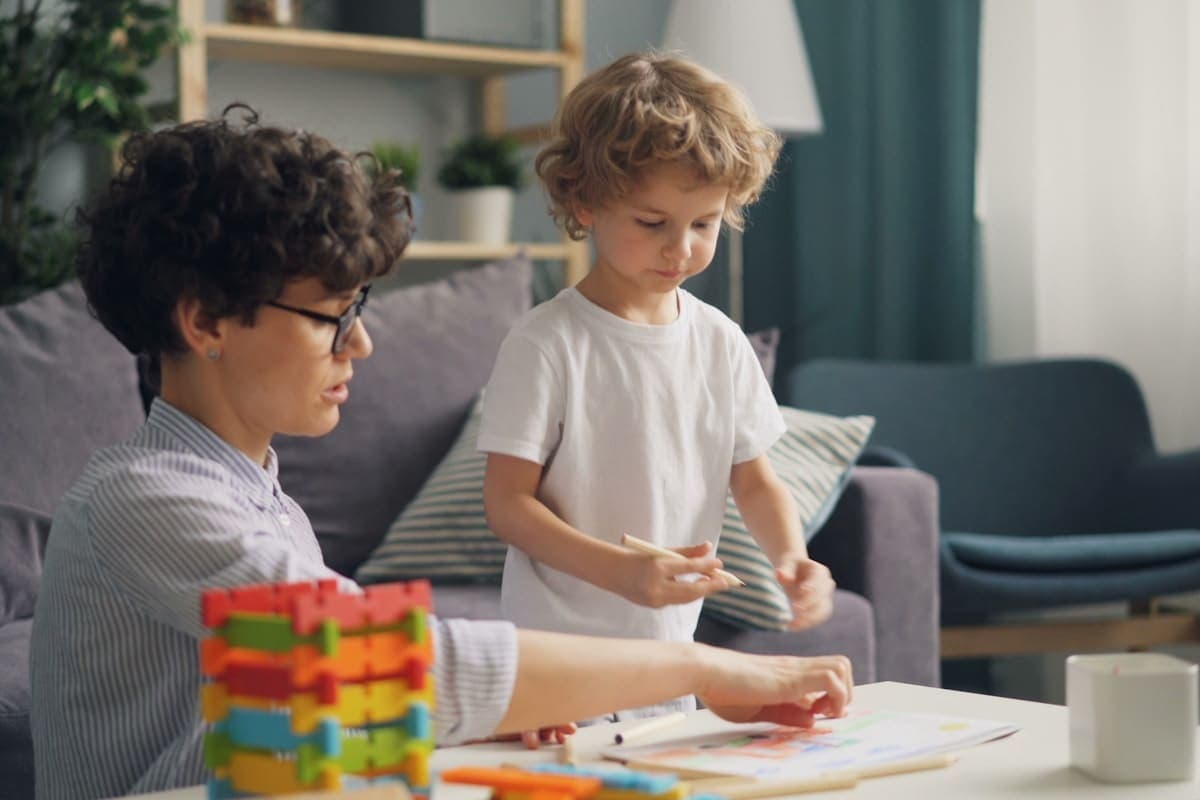
Early Intervention gives young children support during key learning years. We focus on communication, play, attention, and social interaction.
Using ABA strategies, we help children build skills they need at home, daycare, and school.
Research shows that early support often leads to stronger long-term outcomes.
Each plan is simple, structured, and built for your child's current stage and needs.
Key Focus Areas
Early Intervention builds core skills that support learning and independence. Common focus areas include:
- Communication and language development
- Play and social interaction skills
- Following instructions and attention skills
- Early learning and cognitive development
- Emotional regulation and behavior support
- Daily living and independence skills
With structured teaching and play-based learning, children gain confidence and use skills in daily routines.
Early Intervention Eligibility Criteria
Children may benefit from Early Intervention services if they:
- Show delays in communication or language development
- Have difficulty with social interaction or play skills
- Experience challenges with attention, transitions, or routines
- Demonstrate behaviors that interfere with learning or daily activities
- Have received or are being evaluated for developmental diagnoses
Many families begin Early Intervention services after consultation with pediatricians, educators, or developmental specialists.
Recommended Therapy Intensity
Early Intervention works best with consistent therapy. Typical recommendations include:
- 10–20 hours per week for moderate developmental needs
- 20–30 hours per week for more intensive skill development
- Combination of therapy sessions and parent coaching
A RBA designs and supervises the plan. Session hours are based on the child's needs and family goals.
Program Structure
Our Early Intervention programs follow a structured therapy model designed to promote consistent learning.
1. Initial Developmental Assessment
A comprehensive evaluation identifies the child’s strengths, developmental needs, and therapy priorities.
2. Individualized Treatment Plan
Clinicians create a personalized program with clear developmental goals.
3. Structured Therapy Sessions
Children participate in engaging one-on-one therapy sessions that target communication, play, and learning skills.
4. Parent Coaching and Collaboration
Parents learn strategies to reinforce skills during daily routines.
5. Progress Monitoring and Adjustments
Data is collected during sessions to track progress and update goals as needed.
Session Format
Early Intervention sessions are play-based, interactive, and age-appropriate. A typical session may include:
- Play-based communication activities
- Social interaction games
- Structured learning tasks
- Turn-taking and imitation practice
- Reinforcement and motivation strategies
- Practice with everyday routines
Sessions are kept engaging and flexible to maintain the child’s attention while encouraging learning through natural interactions.
Outcome Goals
Early Intervention programs aim to produce meaningful developmental improvements. Common outcomes include:
- Increased communication and language skills
- Improved eye contact and social engagement
- Stronger play and interaction abilities
- Reduced challenging behaviors
- Greater attention and readiness for learning
- Increased independence in daily activities
Progress is tracked each session so clinicians can measure gains and adjust strategies quickly.
Program Timelines
The length of an Early Intervention program varies depending on the child’s developmental needs and progress. Typical timelines may include:
- 6–12 months for targeted skill development
- 12–24 months for comprehensive developmental support
- Ongoing transition support as children prepare for daycare or school
Regular progress reviews ensure that therapy goals evolve as the child develops new abilities.
Family Involvement
Family participation is a key factor in successful Early Intervention programs. Our team works closely with parents and caregivers by:
- Providing coaching on how to support communication and play at home
- Teaching strategies to manage routines and transitions
- Sharing regular progress updates and therapy goals
- Encouraging consistent practice of new skills in everyday activities
When families participate actively, children often make faster and more consistent progress.
Preparing for Long-Term Success
Early Intervention helps children build the foundation for communication, learning, and social development. By supporting skills early, we help young learners gain confidence and independence that will benefit them throughout childhood.
If you are concerned about your child’s development or want to learn more about Early Intervention services, our intake team is here to help.
Contact our Intake Team today to discuss your child’s needs and explore early support options.
Discuss this Program
Our intake team can guide you on whether this program is the right fit for your child.