Communication Development
Verbal and non-verbal communication goals using evidence-based teaching methods.
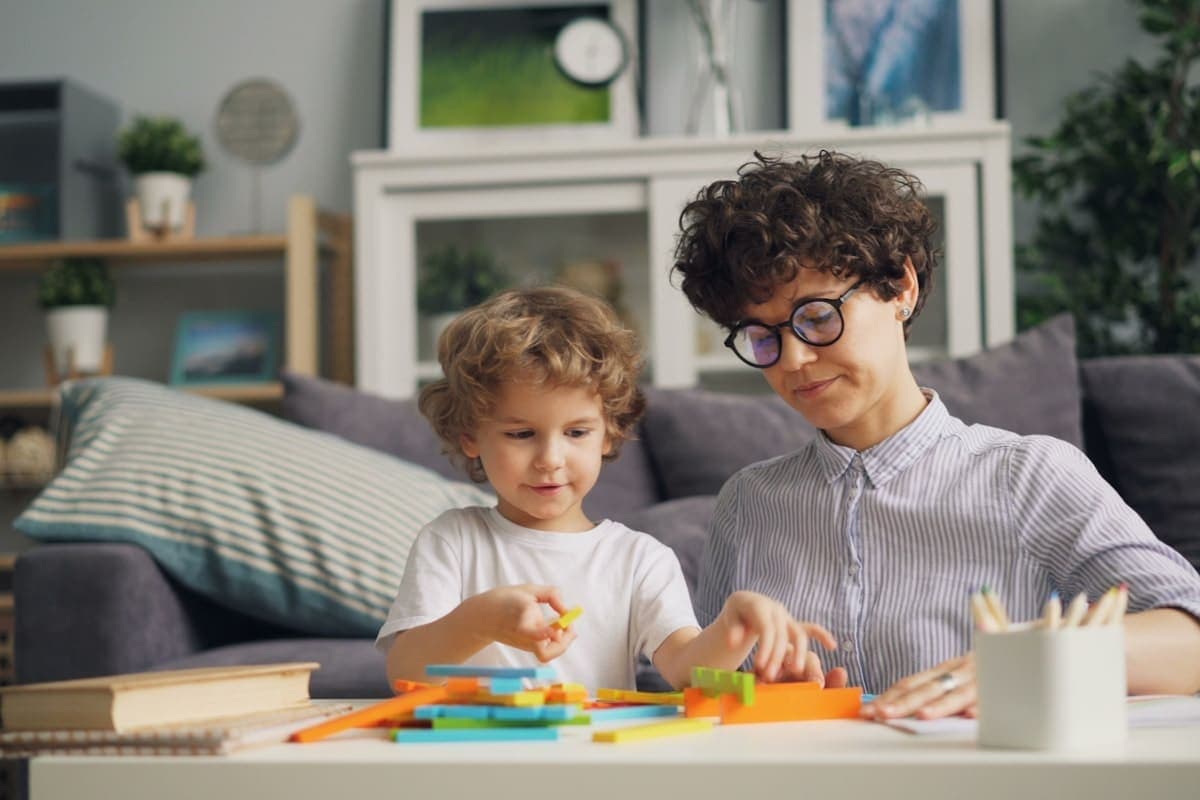
Communication is a core life skill. This program helps children ask for what they need, understand others, and join everyday interactions with more confidence.
Therapists use ABA methods to teach verbal and non-verbal communication in clear, step-by-step ways. We practice these skills in home, school, and community routines.
Each plan is personalized to the child's current level, learning style, and family priorities.
Key Communication Skills We Target
Our communication development program focuses on a wide range of expressive and receptive communication skills. Common areas of focus include:
- Requesting needs and wants
- Expressing feelings and preferences
- Following instructions and understanding language
- Building vocabulary and sentence formation
- Social communication and conversational skills
- Non-verbal communication such as gestures and eye contact
- Turn-taking during interactions and play
These skills are taught gradually through structured teaching, play-based activities, and real-life communication opportunities.
Communication Program Eligibility Criteria
Children may benefit from communication development therapy if they:
- Have delayed speech or language development
- Use limited words or gestures to communicate
- Have difficulty understanding instructions or questions
- Struggle with social communication or conversations
- Become frustrated when trying to express needs or emotions
- Have developmental differences affecting communication abilities
Communication programs can support children with a variety of developmental profiles and communication challenges.
Recommended Therapy Intensity
Communication skills improve with regular practice. Typical recommendations include:
- 5-10 hours per week for mild communication delays
- 10-20 hours per week for moderate communication needs
- 20+ hours per week when communication development is a primary therapy focus
A RBA designs and supervises the plan. Session hours are adjusted based on progress, developmental level, and family goals.
Program Structure
Our communication program follows a clear, data-driven process.
1. Communication Assessment
Clinicians review expressive language, receptive language, social communication, and non-verbal skills.
2. Individualized Communication Plan
We build a plan with specific communication goals that match the child's needs.
3. Structured Skill Teaching
Therapists teach each skill in small steps using proven ABA strategies.
4. Practice Across Environments
Children practice communication during play, routines, and social activities.
5. Ongoing Progress Monitoring
Data is recorded every session so we can adjust teaching quickly when needed.
Teaching Methods Used
Our therapists use a variety of evidence-based teaching approaches to support communication development. These may include:
- Natural environment teaching during play and daily activities
- Prompting and reinforcement strategies
- Structured language learning exercises
- Modeling and imitation techniques
- Functional communication training
These approaches help children learn how to communicate effectively in real-world situations.
Outcome Goals
Our communication programs focus on meaningful improvements that help children interact more successfully with others. Common outcomes include:
- Increased use of words, gestures, or communication tools
- Improved understanding of instructions and language
- Greater ability to express needs and emotions
- Stronger social communication and interaction skills
- Reduced frustration related to communication difficulties
Progress is measured through data collected during therapy sessions, ensuring that interventions remain effective and goal-focused.
Program Timelines
Communication development programs vary depending on the child's starting skills and learning pace. Typical timelines may include:
- 6-12 months for foundational communication skills
- 12-24 months for broader language and conversation development
- Ongoing support for children who benefit from continued skill building
Regular progress reviews help ensure the program continues to match the child's developmental progress.
Family Involvement
Parents and caregivers play an important role in helping children practice communication skills outside therapy sessions. Our team supports families by:
- Teaching strategies to encourage communication during daily routines
- Providing guidance on responding to communication attempts
- Helping parents create opportunities for conversation and interaction
- Sharing progress updates and communication goals
When families actively participate, children often develop communication skills more quickly and consistently.
Supporting Your Child's Voice
Every child deserves a clear way to communicate needs, thoughts, and feelings. Our Communication Development Program helps children connect and express themselves with confidence.
If you want to discuss communication support for your child, our intake team can help.
Contact our Intake Team to explore next steps for communication-focused therapy.
Discuss this Program
Our intake team can guide you on whether this program is the right fit for your child.